What Sets a Top Aluminum Casting Manufacturer Apart From the Market
Wiki Article
A Deep Dive Into the Aluminum Casting Refine: From Layout to Final Product
The light weight aluminum Casting procedure encompasses numerous crucial stages, each calling for accuracy and expertise. It starts with the layout phase, where ideas evolve right into detailed specifications. The prep work of mold and mildews follows, utilizing numerous casting methods. After melting and pouring, the cooling phase identifies the last homes of the light weight aluminum. However, the journey does not finish there; ending up procedures play a substantial duty in accomplishing top quality requirements. What takes place following in this elaborate process?Recognizing Light Weight Aluminum Casting
Aluminum Casting is an essential process in manufacturing that involves putting molten light weight aluminum right into a mold and mildew to create various shapes and elements. This technique is preferred for its ability to generate intricate styles with exceptional dimensional precision. The process starts with selecting top quality aluminum alloys, which are then thawed at elevated temperatures. Once in a liquid state, the light weight aluminum is very carefully poured right into mold and mildews, which can be made from sand, metal, or other materials, depending on the preferred last product.Air conditioning takes place as the liquified aluminum solidifies, forming the wanted shape. After cooling, the castings are eliminated from the mold and mildews and go through completing procedures such as machining or surface therapy to improve their homes and look. Understanding light weight aluminum Casting not just highlights its relevance in engineering and production however also emphasizes its adaptability in generating lightweight, sturdy components for various markets, including automotive, aerospace, and consumer items.
The Design Process: From Principle to CAD
The style procedure for light weight aluminum Casting begins with first idea advancement, where ideas are changed right into tangible specs. Following this stage, CAD modeling strategies are employed to develop precise electronic representations of the designs. This shift from concept to CAD is vital for guaranteeing accuracy and feasibility in the Casting process.First Idea Advancement
Starting the layout process for aluminum Casting involves transforming abstract concepts into concrete ideas. This stage is essential, as it lays the groundwork for successful item growth. Designers work together with stakeholders and engineers to specify the functional requirements and aesthetic aspects of the casting. Brainstorming sessions typically produce numerous concepts, which are then examined for manufacturability, cost-effectiveness, and usefulness. Sketches and preliminary models may be produced to envision possible styles. Comments from group participants and clients is essential in refining these concepts. Repetitive conversations help to determine possible difficulties, making certain that the final style lines up with both technological specs and customer demands. Ultimately, this phase sets the phase for the shift from idea to more in-depth digital depictions.CAD Modeling Techniques
As the layout procedure changes from preliminary ideas to detailed depictions, CAD modeling methods come to be essential tools for developers and designers. These techniques permit the development of specific, scalable digital versions that accurately show the intended physical product. Common methods consist of 3D solid modeling, surface modeling, and parametric design, each offering unique capabilities for various project requirements. Designers use software program like AutoCAD, SolidWorks, and CATIA to refine styles, replicate efficiency, and determine possible problems prior to production. The combination of CAD with other technologies, such as limited component analysis (FEA), boosts the style procedure even more by forecasting material actions under anxiety. Ultimately, effective CAD modeling simplifies interaction among staff member and improves the general effectiveness of the light weight aluminum Casting procedure.Preparing the Mold And Mildew: Sand, Pass Away, and Investment Casting
When preparing molds for light weight aluminum casting, the selection of approach greatly affects the end product's top quality and accuracy. Three primary techniques are generally used: sand casting, die casting, and financial investment casting.Sand Casting involves producing a mold and mildew from sand, which is cost-effective and versatile, making it suitable for complicated geometries and huge parts. This technique, nevertheless, might generate a rougher surface coating compared to other methods.
Pass away casting uses metal mold and mildews, making it possible for high-volume production and outstanding dimensional precision. This method is excellent for generating detailed styles with smooth surfaces and limited tolerances but requires higher ahead of time prices because of mold manufacture.
Financial investment spreading, also called lost-wax casting, provides phenomenal precision and surface finish, making it suitable for elaborate parts. This technique includes producing a wax pattern, which is covered in ceramic, permitting great information throughout the Casting process. Each approach has its advantages, impacting the casting's applications and features.
Thawing and Pouring Light weight aluminum: Strategies and Equipment
In the light weight aluminum Casting process, efficient melting and putting strategies are crucial for attaining high-grade results. Different melting approaches and specialized pouring equipment play a significant duty in ensuring ideal fluidness and temperature level control - Aluminum Casting Manufacturer. Recognizing these fundamentals is crucial for both newbie and knowledgeable foundry specialistsMelting Methods Summary
A range of melting techniques are employed in the aluminum Casting process, each tailored to specific applications and production ranges. Typical methods include crucible melting, where light weight aluminum is warmed in a ceramic or steel container, frequently suitable for wikipedia reference little sets. Induction melting utilizes electro-magnetic fields to warm aluminum rapidly and efficiently, perfect for bigger manufacturing needs. Electric arc heaters supply a high-temperature atmosphere, making them ideal for recycling light weight aluminum scrap. In addition, rotating heating systems supply a continuous melting process, enhancing performance. Each strategy has its advantages, such as power efficiency, melting speed, and material quality, ensuring that manufacturers can choose the most suitable method based upon their functional requirements and desired results in the Casting procedure.Putting Tools Fundamentals
Following the melting process, reliable pouring tools plays a substantial function in assuring the successful transfer of liquified aluminum into molds. Secret elements include ladles, pouring mugs, and automated pouring devices. Ladles, commonly made from heat-resistant materials, are designed to hold and carry molten aluminum securely. Pouring mugs boost control throughout the transfer, helping with a stable pour to minimize turbulence and oxidation. Automated pouring machines are increasingly popular, ensuring consistent flow prices and lowering human error. These makers can be set for accuracy, optimizing casting top quality. Additionally, temperature level surveillance devices are vital to guarantee the molten aluminum continues to be within the suitable temperature variety, more boosting the quality of the final actors item. Proper choice and maintenance of putting devices are important for efficiency and safety.

Air conditioning and Solidification: Transforming Liquid to Strong
Air conditioning and solidification play a necessary function in the aluminum Casting process, as they figure out the final homes of the actors metal. After putting, the liquified aluminum begins to shed warmth, shifting from fluid to solid. This cooling phase is vital, as it affects mechanical buildings such as toughness, microstructure, and ductility. The rate of air conditioning can vary based upon aspects such as mold product, thickness, and ecological problems. Rapid air conditioning may cause a finer grain framework, improving strength, while slower air conditioning can bring about coarser grains, impacting ductility.Additionally, uniform air conditioning is critical to avoid flaws such as warping or breaking. As the metal strengthens, the formation of dendrites takes place, which are tree-like frameworks that affect the general integrity of the spreading. Understanding the cooling and solidification characteristics allows engineers and foundry employees to optimize the procedure, making certain that the last item satisfies the required specifications and top quality standards.
Finishing Processes: Machining, Covering, and Evaluation
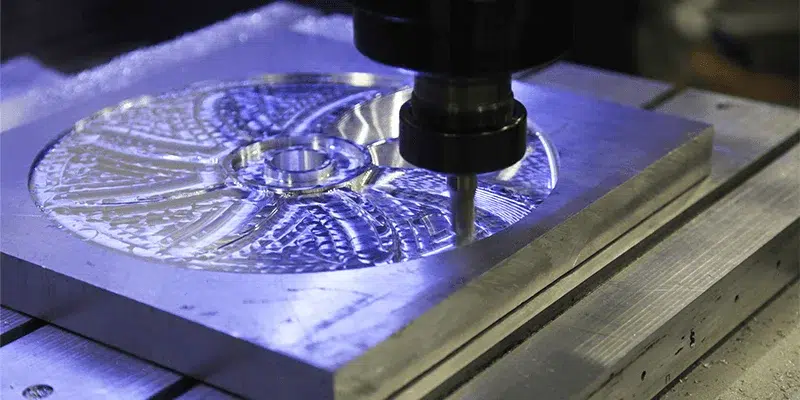
Finishing procedures are important in refining light weight aluminum castings to fulfill rigorous specs and enhance performance. These procedures normally include inspection, machining, and coating, each playing a critical role in achieving the wanted quality.Machining entails eliminating excess material from the Casting to attain exact dimensions and surface area coatings. Methods such as milling, transforming, and grinding are commonly employed to assure that the end product meets layout tolerances.
Coating offers to shield the light weight aluminum surface area from ecological elements, boosting deterioration resistance and visual appeal. Choices consist of anodizing, powder finish, and paint, each offering distinct benefits depending on the application.
Evaluation is important to validate that the ended up spreadings fulfill web top quality standards. Approaches such as visual evaluation, dimensional checks, and non-destructive testing are employed to identify any problems. With each other, these completing procedures assure that aluminum spreadings are trusted, sturdy, and all set for their intended applications.
Applications of Light Weight Aluminum Castings in Various Industries
Furthermore, the customer products market includes aluminum spreadings in products like kitchenware and devices, utilizing on their thermal conductivity and longevity. The building market utilizes light weight aluminum castings in window frames, doors, and attractive aspects, enhancing aesthetic appeals while keeping capability. Furthermore, the marine sector relies upon aluminum spreadings for boat parts, where resistance to deep sea rust is crucial. Generally, light weight aluminum spreadings supply ingenious services throughout various applications, making them indispensable in modern-day manufacturing procedures.
Regularly Asked Inquiries
Going HereWhat Are the Ecological Influences of Light Weight Aluminum Spreading?
The ecological influences of light weight aluminum Casting consist of energy-intensive production, greenhouse gas emissions, and prospective water contamination. In addition, mining bauxite for light weight aluminum adds to habitat destruction, while reusing initiatives can mitigate some adverse results.Exactly How Does Light Weight Aluminum Casting Compare to Various Other Metal Casting Processes?
Light weight aluminum casting normally offers benefits like lightweight properties and corrosion resistance contrasted to various other steel Casting procedures. However, it may have constraints in strength and temperature level resistance, making its suitability depending on specific application requirements.What Safety And Security Precautions Are Required During Light Weight Aluminum Casting?
During light weight aluminum spreading, security precautions include wearing protective gear, making certain proper air flow, preserving devices, and complying with strict protocols to take care of molten metal. These procedures intend to minimize dangers such as burns, breathing of fumes, and equipment breakdowns.Can Aluminum Castings Be Recycled After Usage?
Light weight aluminum castings can indeed be recycled after use. The reusing procedure keeps the product's residential or commercial properties, making it a lasting option. This method greatly minimizes waste and preserves power, promoting environmental obligation in producing markets.What Prevail Flaws in Light Weight Aluminum Castings and Their Reasons?
Common issues in aluminum castings include porosity, cool shuts, and contraction - Aluminum Casting Manufacturer. These issues frequently arise from inadequate melting temperature levels, improper mold layout, and insufficient air conditioning rates, affecting the total top quality and efficiency of the final productLight weight aluminum Casting is an important process in making that includes pouring molten light weight aluminum right into a mold and mildew to develop numerous shapes and parts. The design process for light weight aluminum Casting begins with initial concept advancement, where ideas are changed right into tangible specifications. Starting the design procedure for light weight aluminum Casting includes transforming abstract concepts into concrete ideas. In the aluminum Casting procedure, efficient melting and putting strategies are vital for achieving high-grade outcomes. A range of melting techniques are utilized in the aluminum Casting process, each tailored to particular applications and production ranges.
Report this wiki page